CranioSystems
manages the work of Michael Bridan.
The system of therapies Michael has innovated is called
CRANIAL ORTHOPEDICS
Cranial Orthopedics in a brief elevator pitch
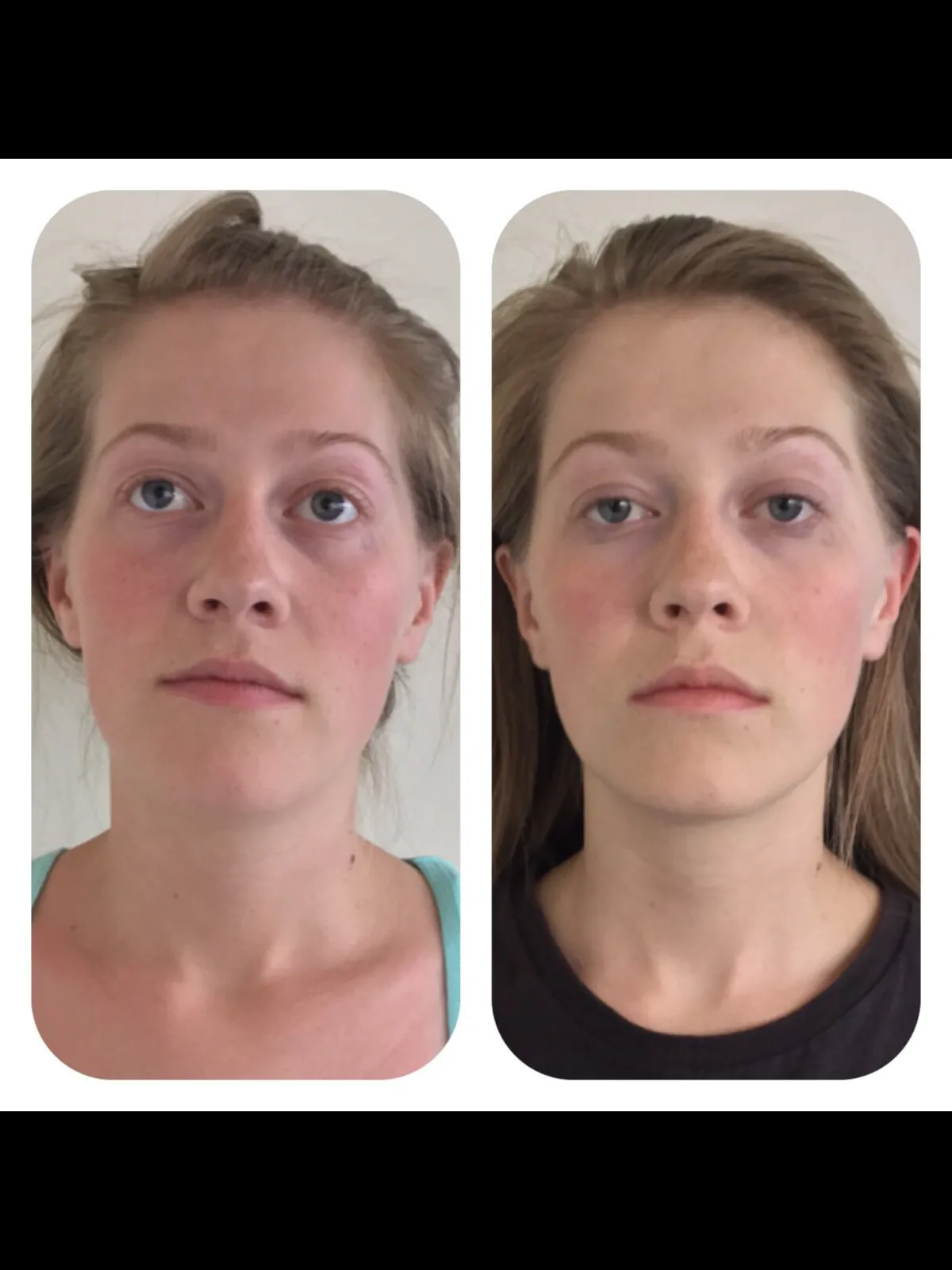
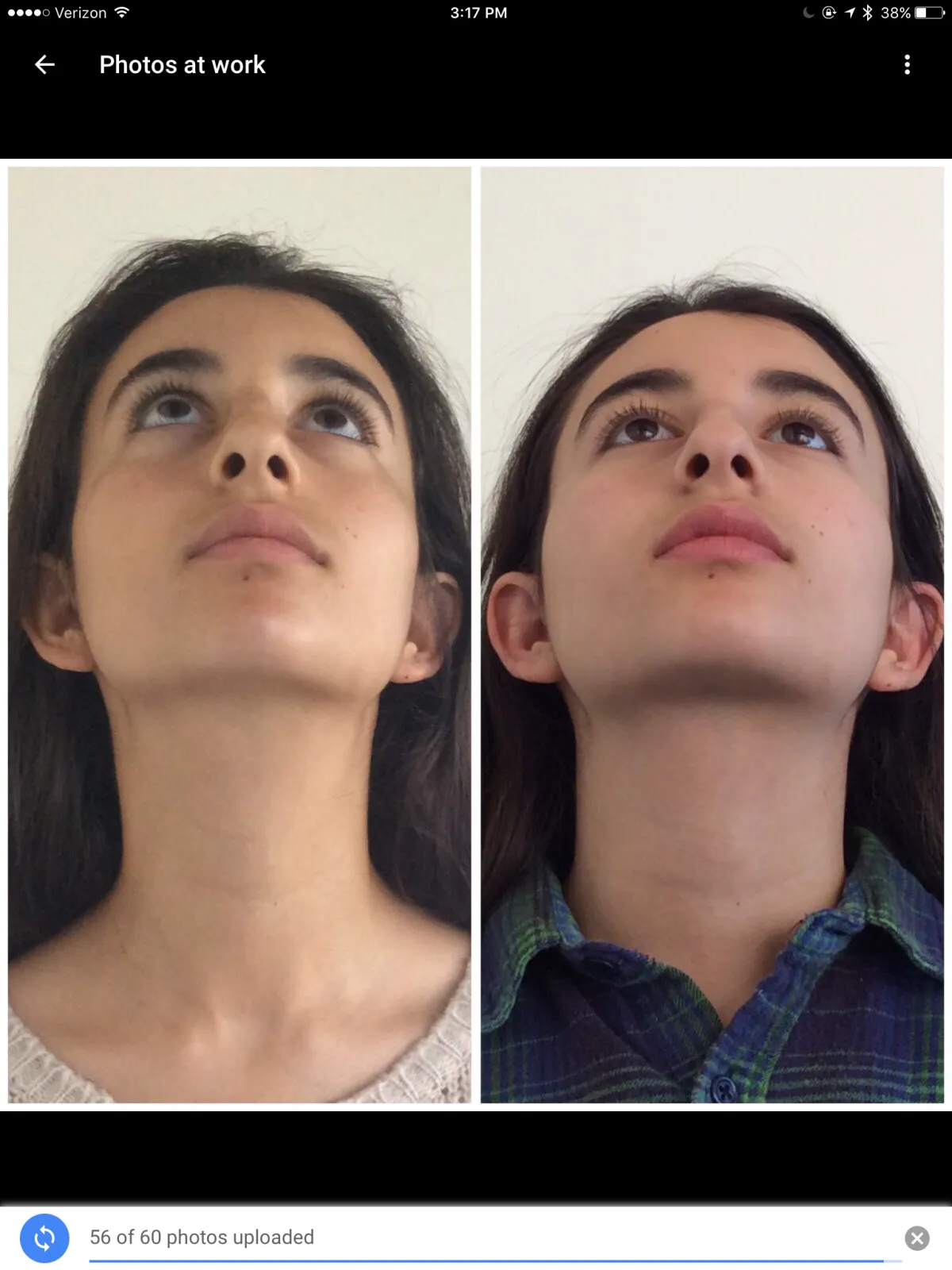
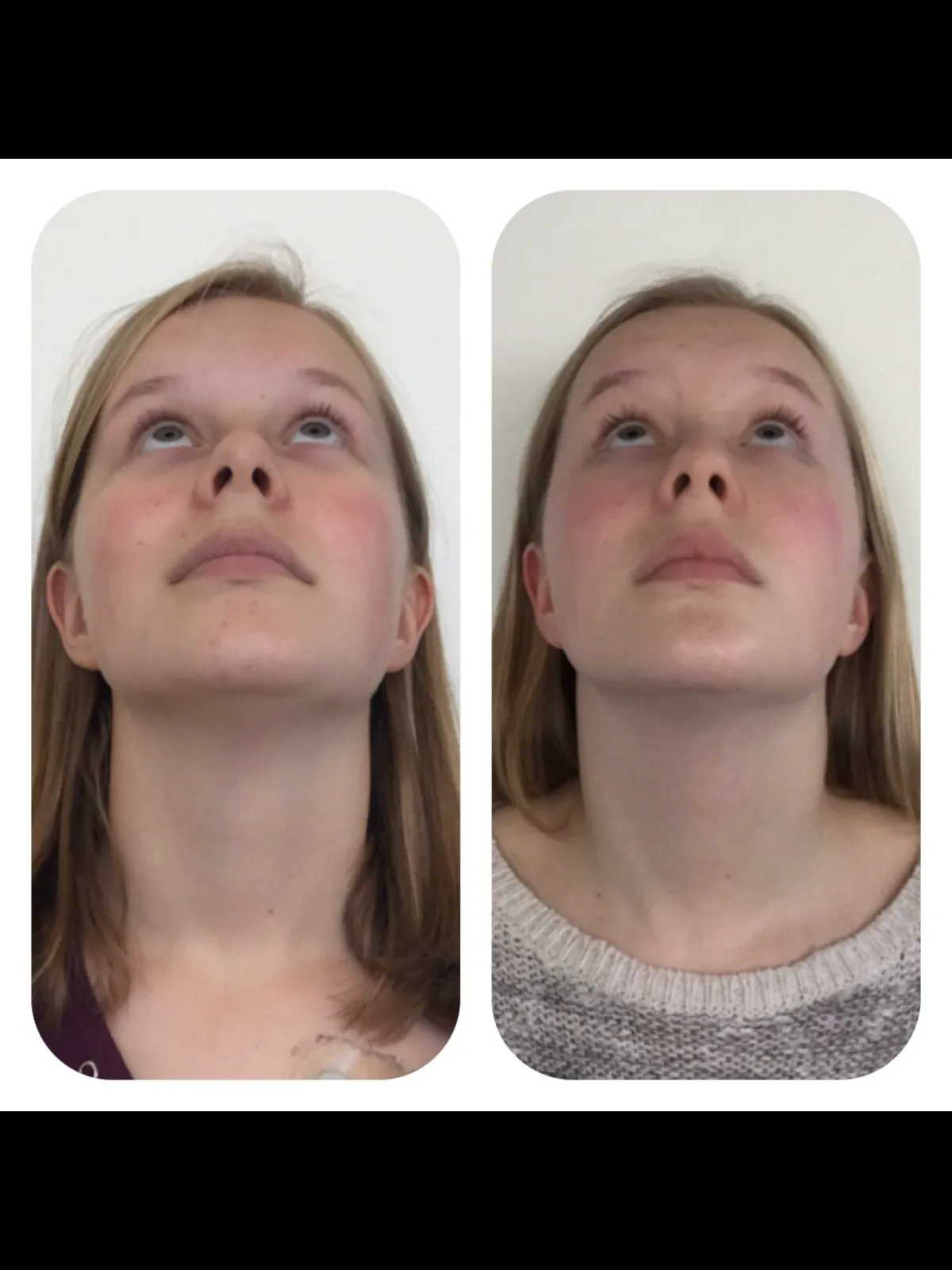
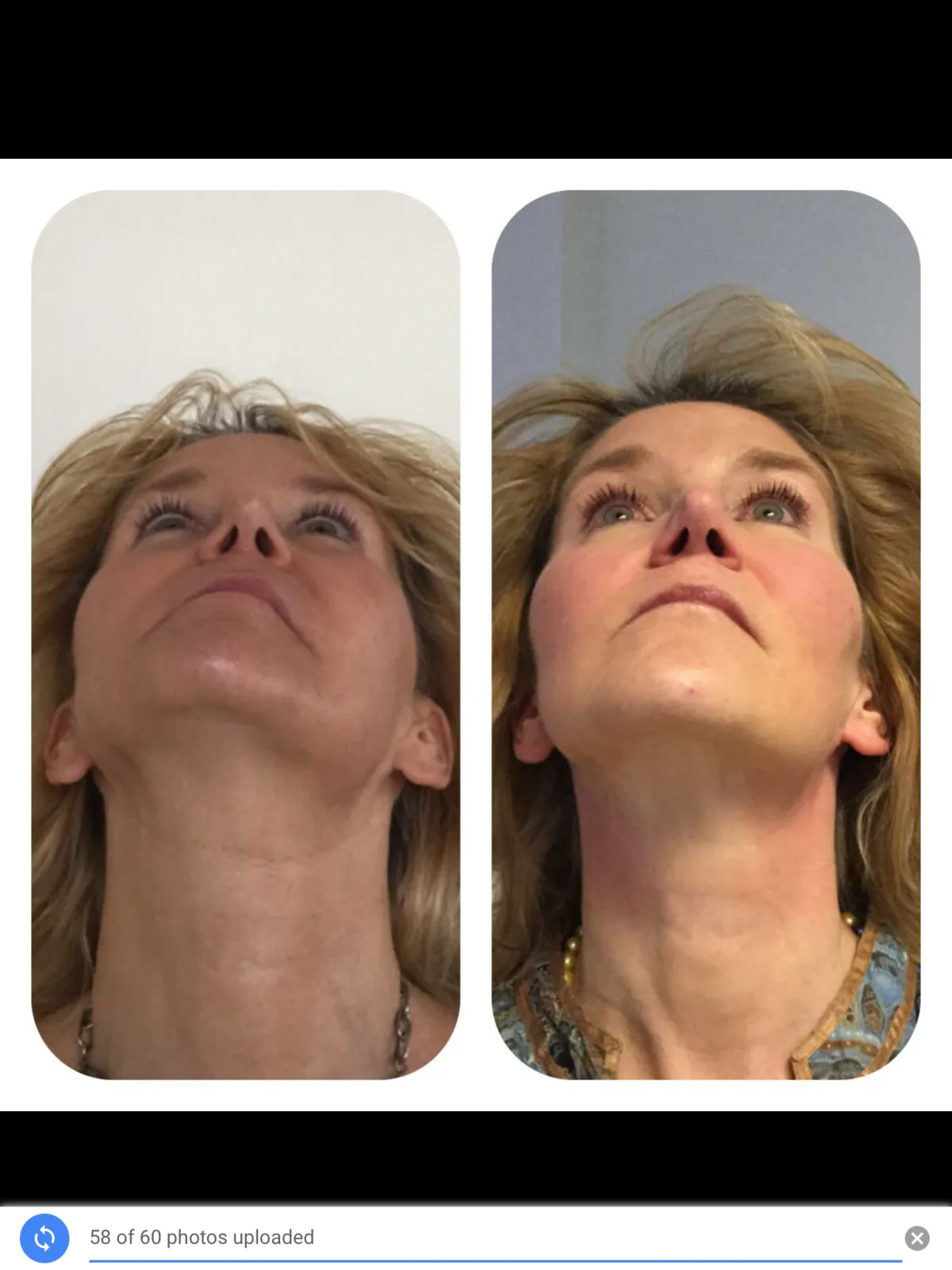
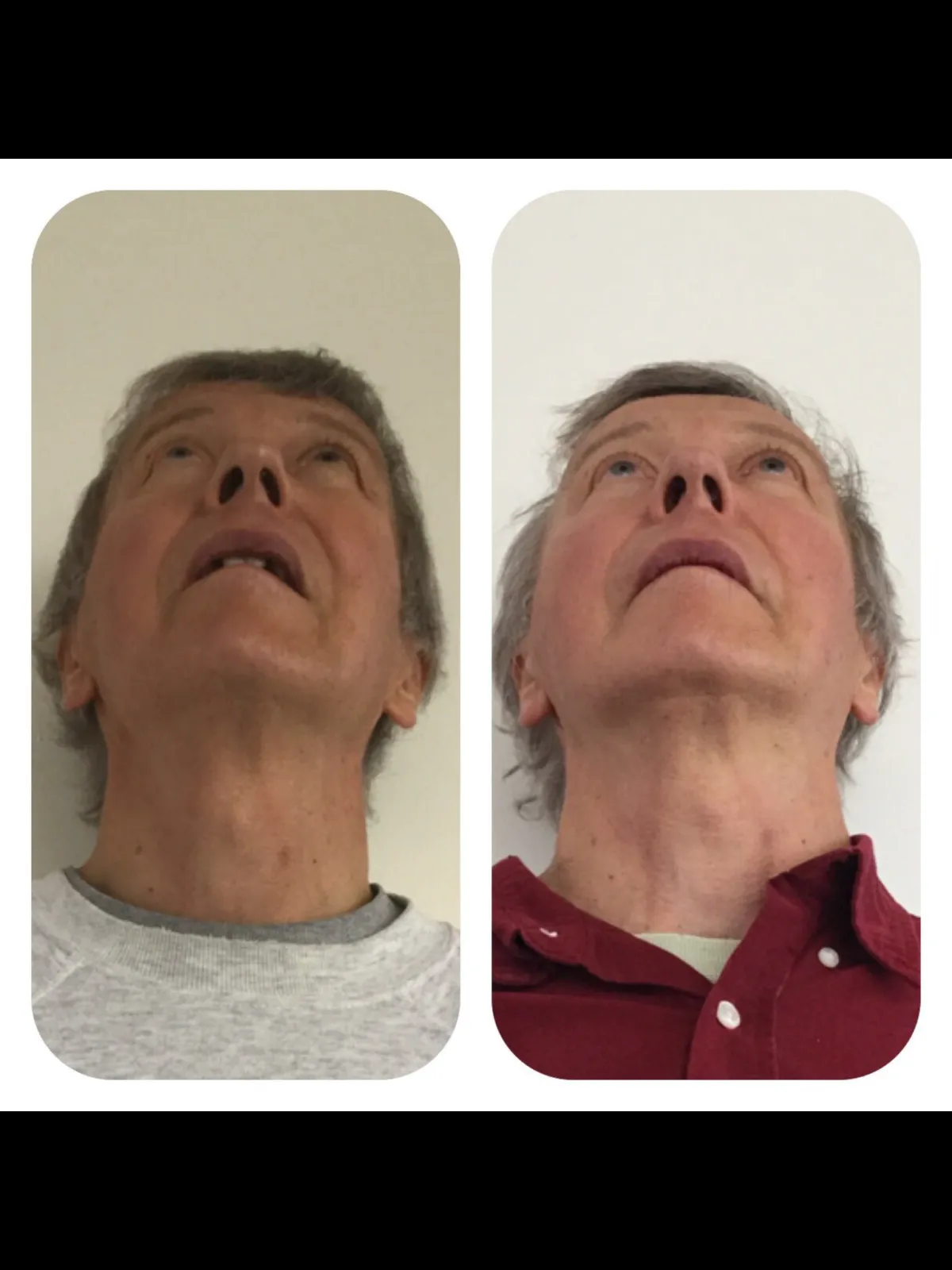
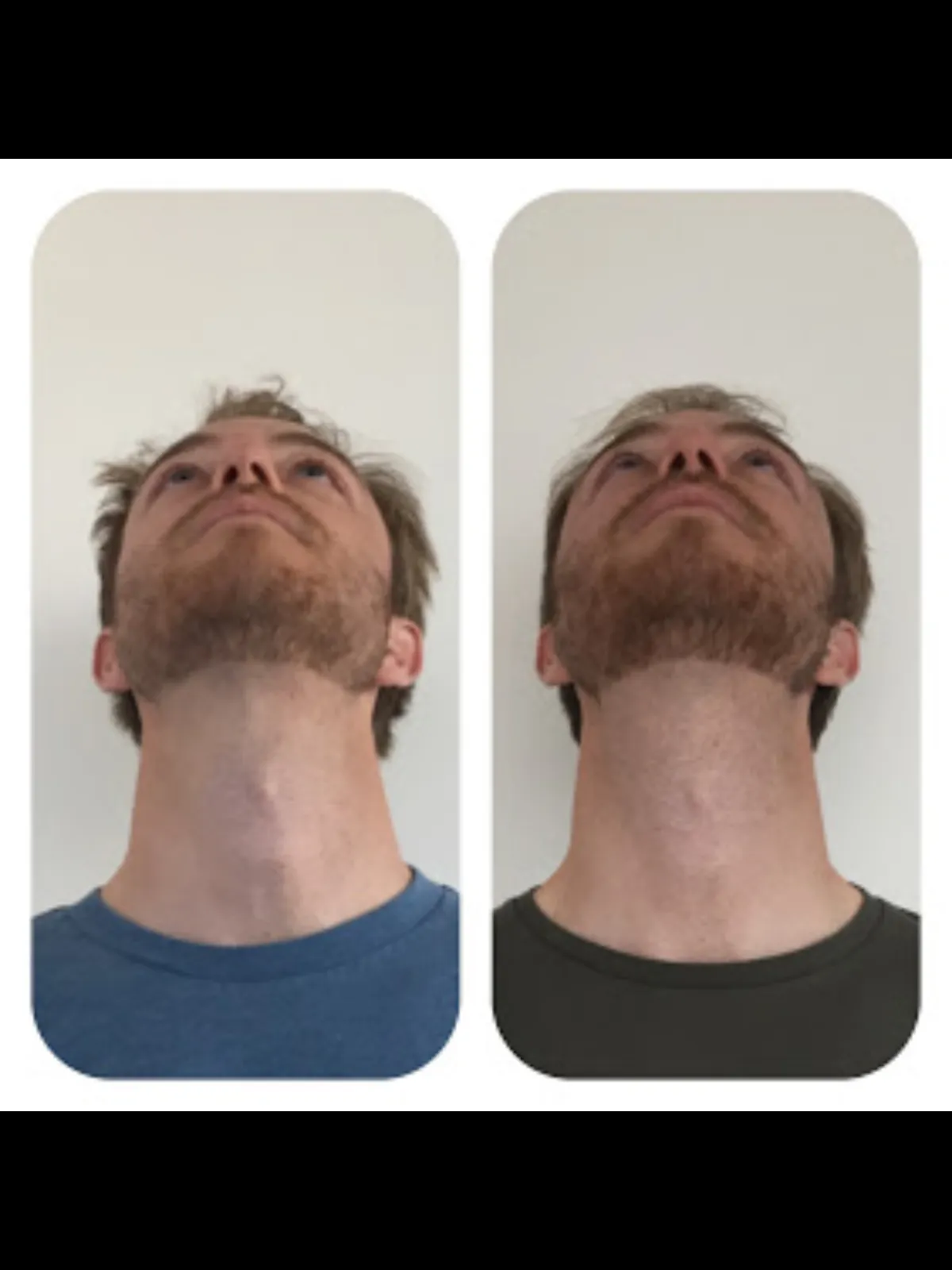
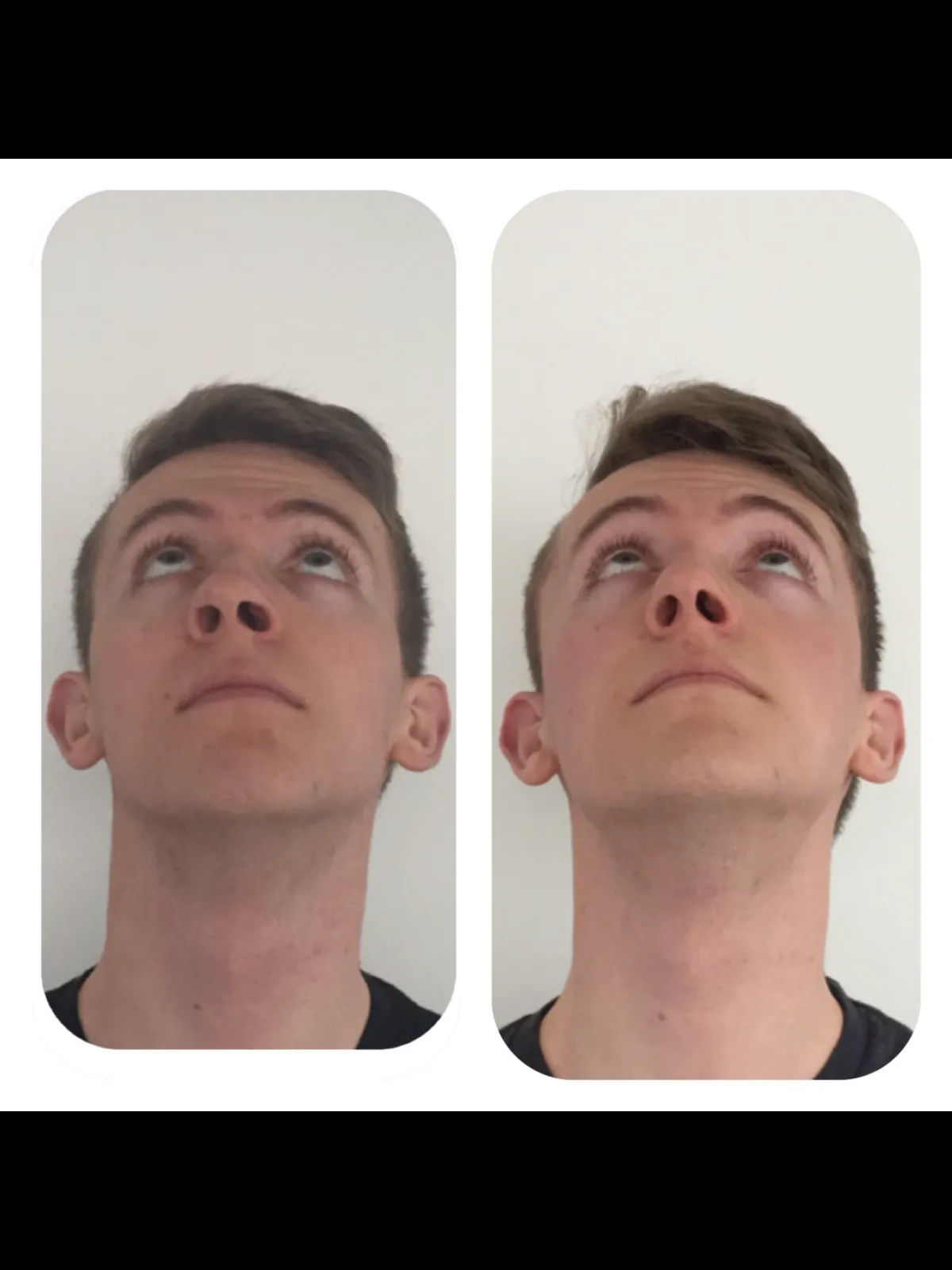
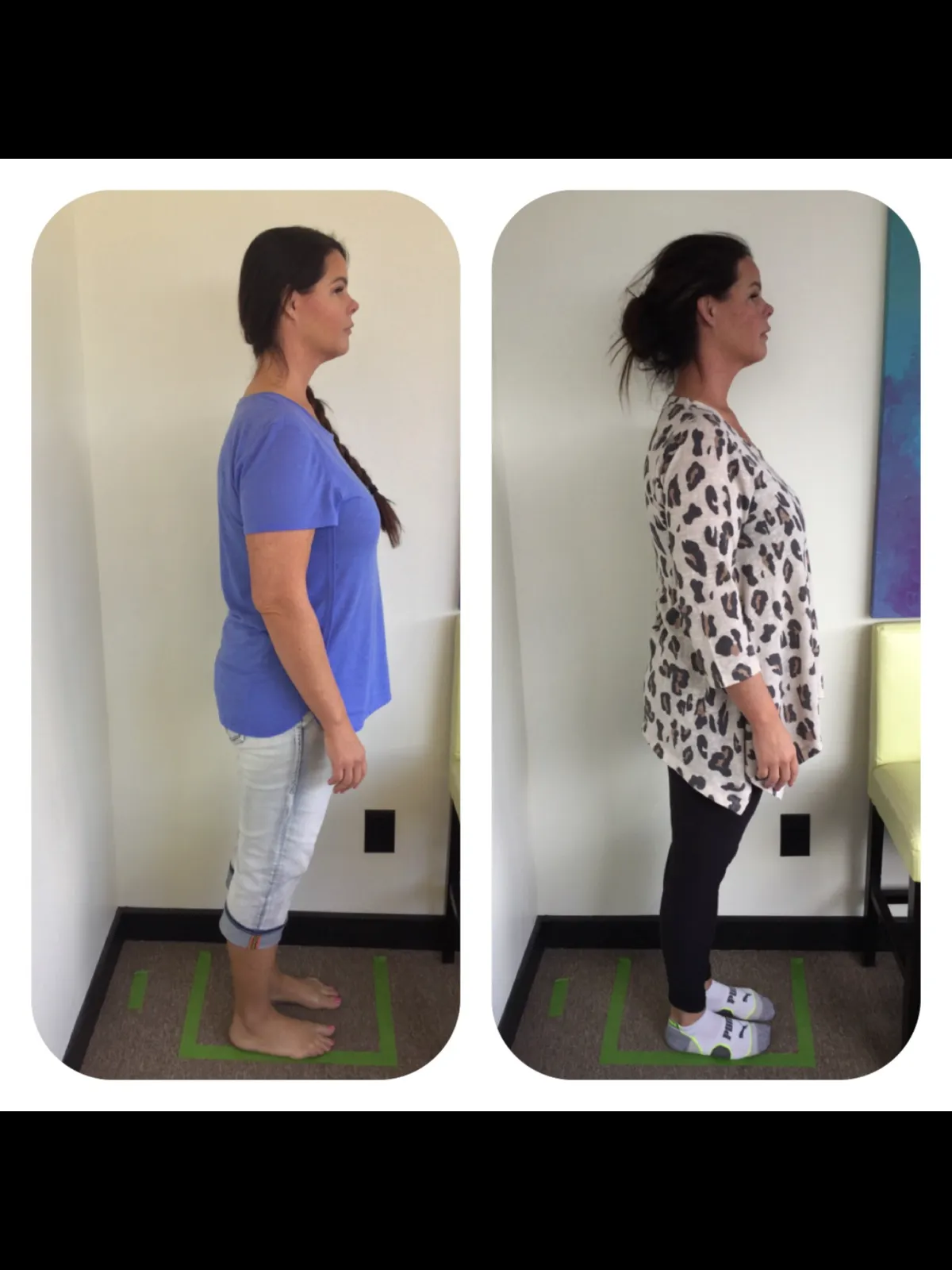
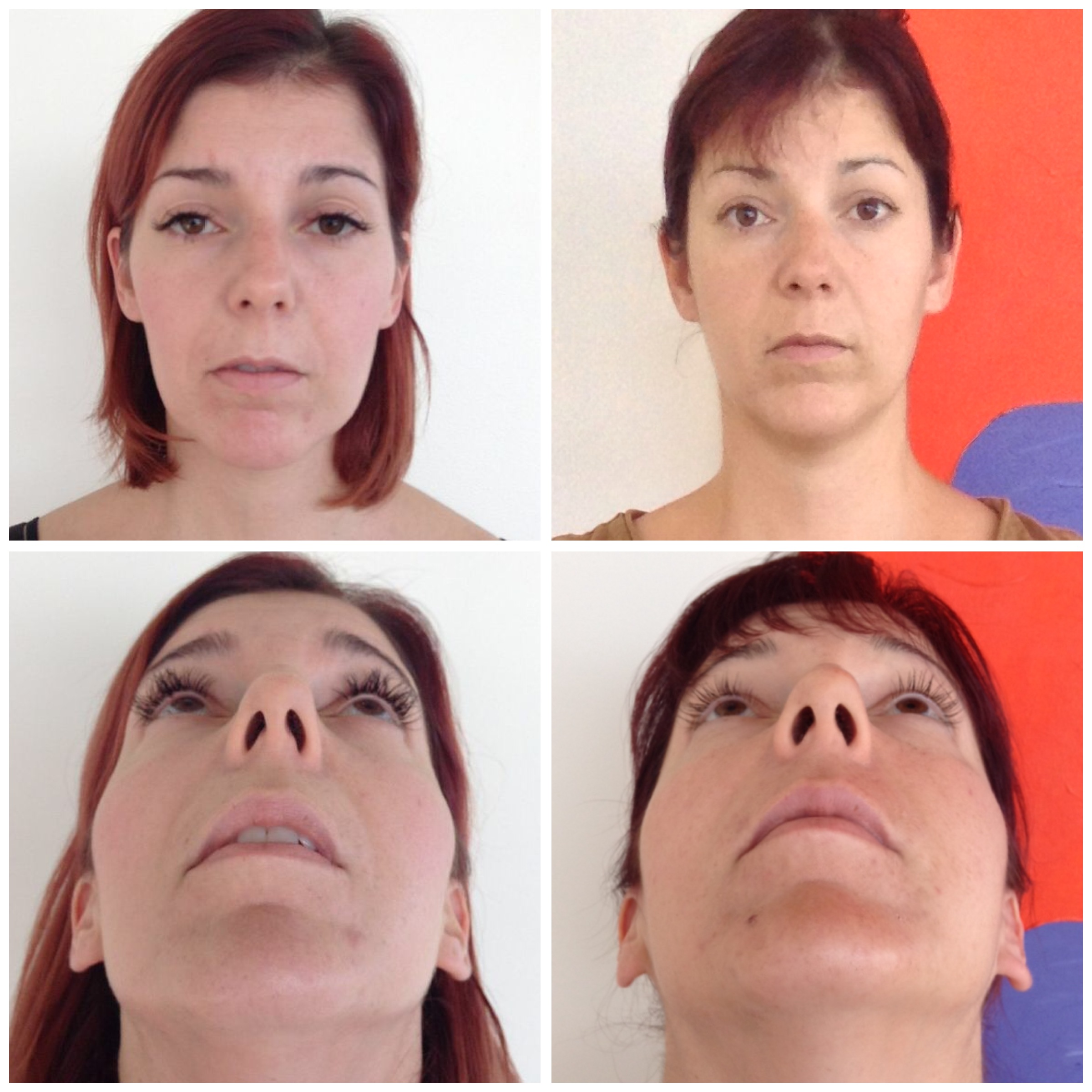
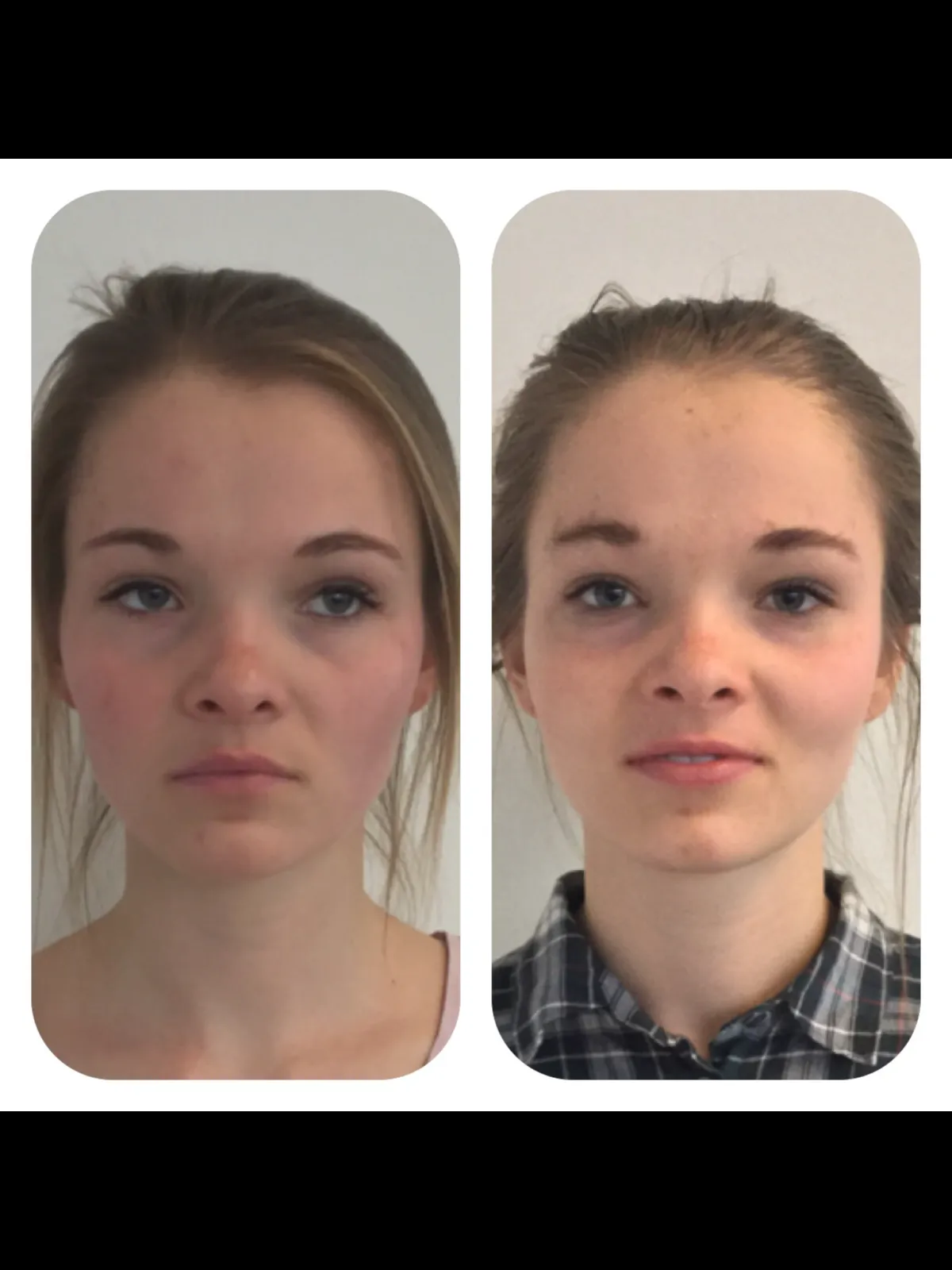
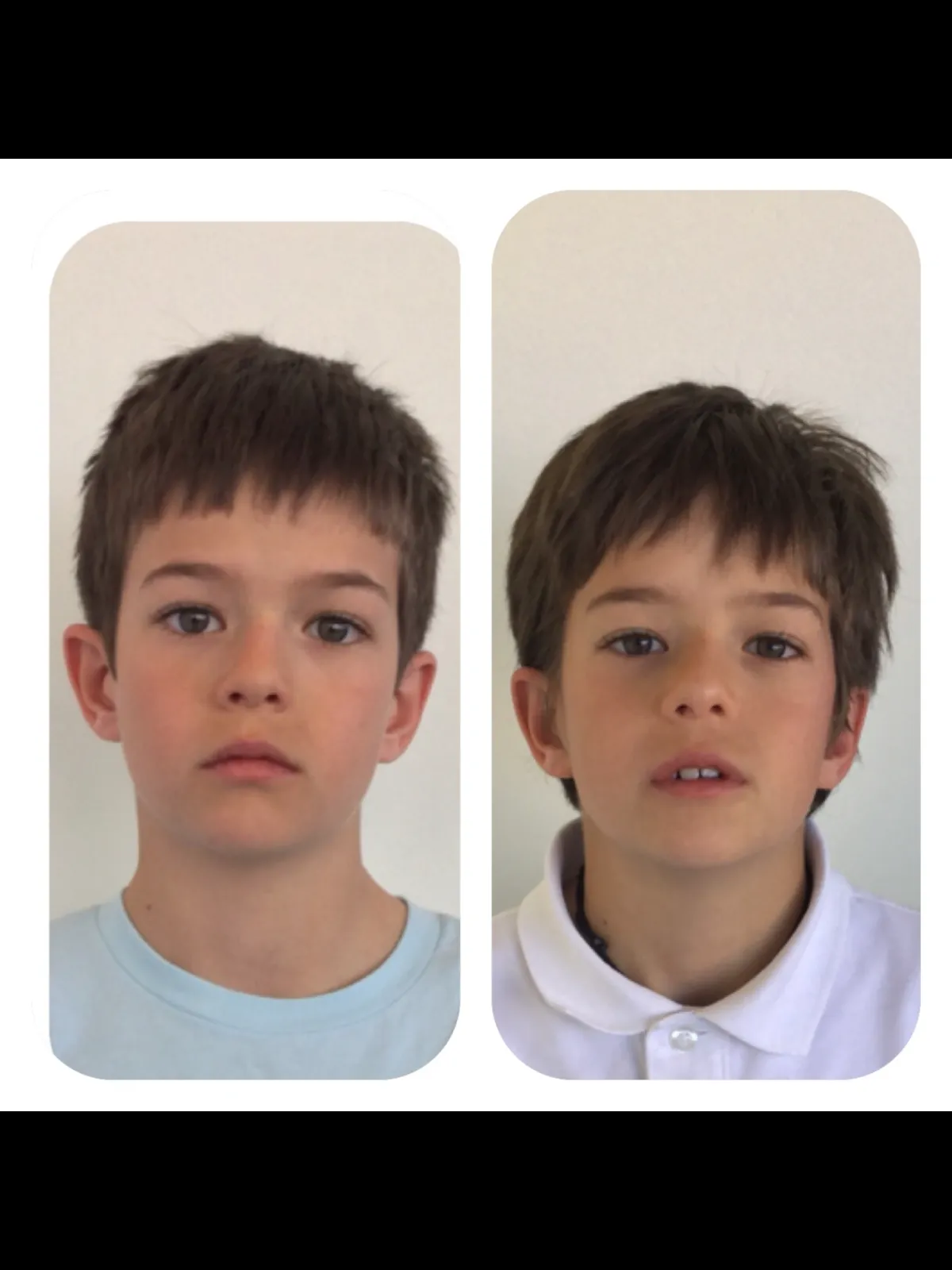
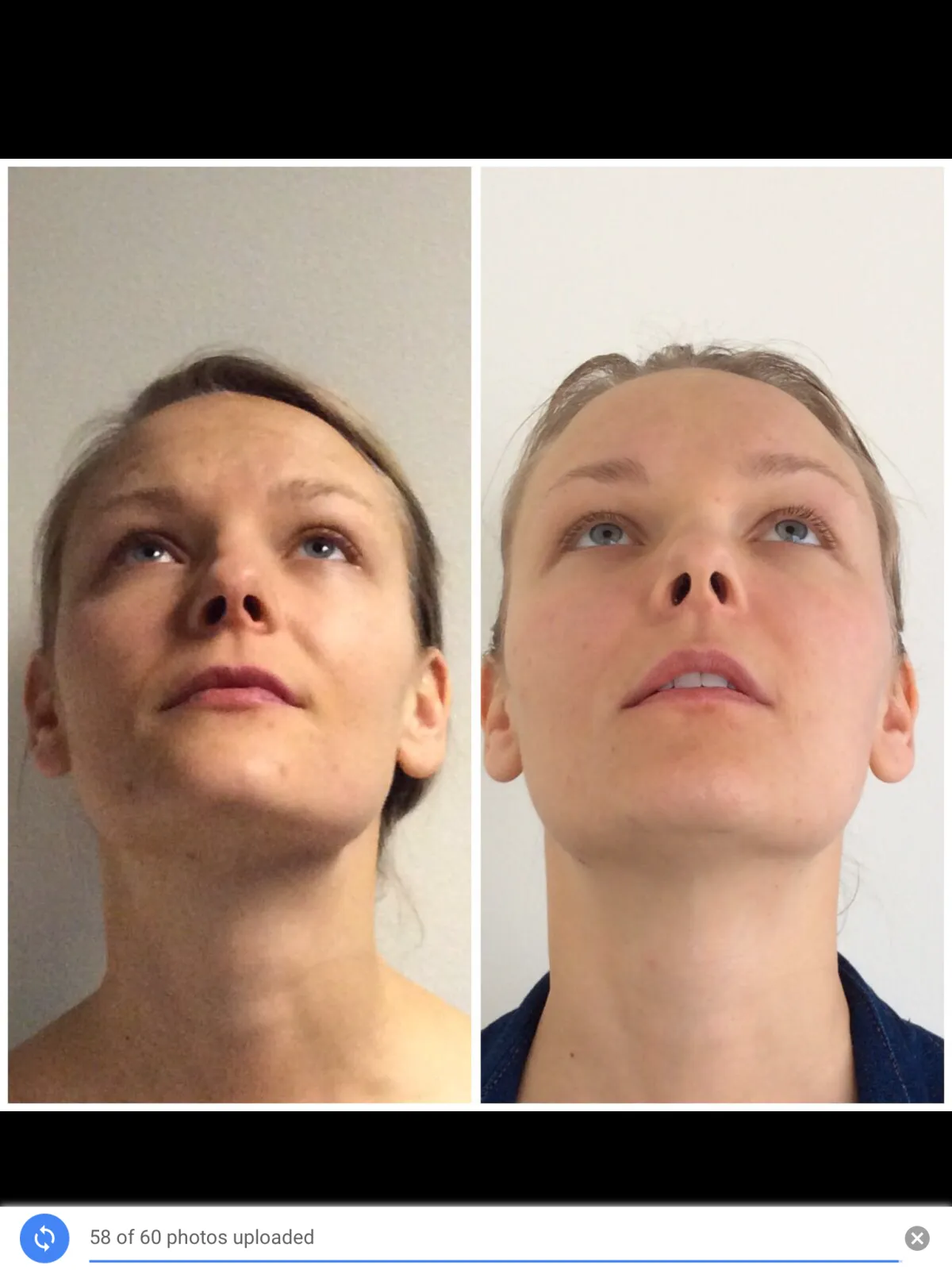
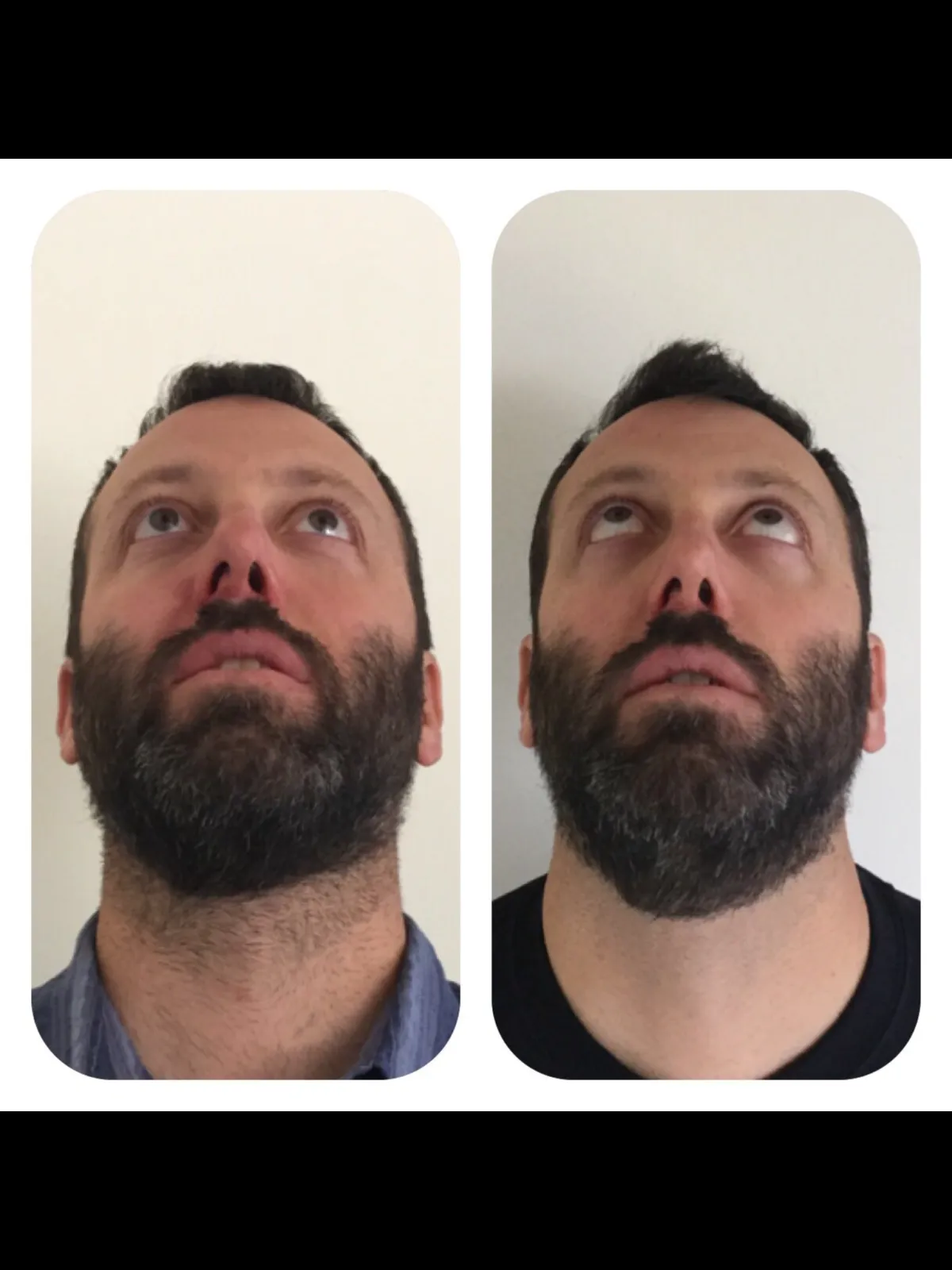
Cranial Orthopedics is a system that identifies root causes of structural disruption, then traces the body’s compensations across the cranium, eyes, airway, posture, movement, and autonomic nervous system. It corrects underlying structural patterns causing maladaptation, creating lasting changes in physical function, strength, posture, performance, breathing (airway, septum), and autonomic regulation, HRV, etc.
Cranial Orthopedics longer form
What Is Cranial Orthopedics?
Cranial Orthopedics is a specialized approach developed by clinical innovator and biohacker Michael Bridan. His work identifies and addresses complex patterns involving the cranium, jaw, eyes, airway, posture, movement, and autonomic nervous system.
After an injury such as a concussion, the body often makes immediate, unconscious adjustments to protect itself. A subtle change in eye alignment, jaw position, cranial nerve input, or head posture alters how the brain interprets balance, depth, movement, and pain. Because these adaptations happen automatically, patients often do not connect later symptoms to the original injury.
Over time, after thousands of daily steps, the pull of gravity, repetitive movements, and continued compensations, the body often creates additional layers of strain. Symptoms may eventually appear in the neck, jaw, back, sleep, breathing, balance, walking, or other areas that seem far removed from the original cause.
This is where Michael’s clinical expertise becomes especially valuable. Rather than viewing each symptom in isolation, he evaluates how multiple systems interact with and affect the autonomic nervous system. His work traces the sequence of compensations backward, looking beyond where pain currently appears and identifying the deeper neurological, biomechanical, cranial, or airway-related pattern driving it.
Clinicians who specialize in a single area, such as jaw pain, back pain, vision, or posture, may provide excellent care within that specialty. However, when symptoms are part of a multilayered compensation pattern, no single area tells the whole story. The original cause may be several steps removed from the place where the patient now feels pain or dysfunction.
Cranial Orthopedics offers a systematic way to examine these relationships. Michael’s approach integrates cranial biomechanics, neurological function, motor reflexes, airway mechanics, autonomic regulation, and biochemical stress responses. This broad clinical perspective allows him to identify patterns that may be missed when the body is evaluated one symptom or structure at a time.The goal is to uncover contributing root causes and, when they are found within the cranium and its related systems, help release the body into greater balance, efficiency, and resilience.
For patients experiencing Cranial Orthopedics for the first time, the process is thoughtful, highly individualized, and grounded in a careful assessment of how the entire system functions together. When the underlying cause is successfully addressed and the autonomic nervous system returns to a more regulated state, the layers of compensatory symptoms begin to resolve as the body no longer needs them for protection.